
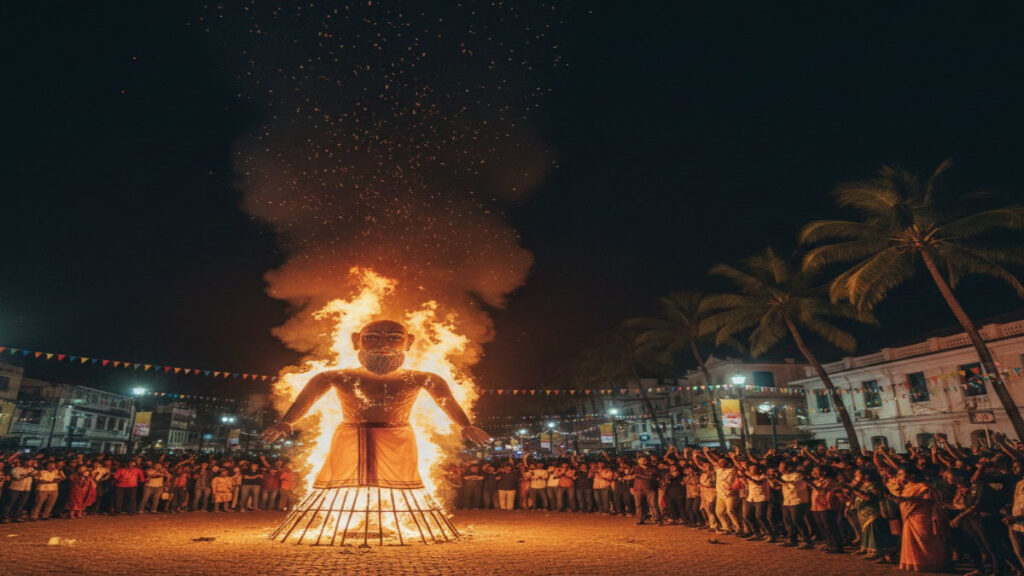
Cochin Carnival 2026 is a major cultural and tourism event held annually in Kochi, Kerala. The carnival marks the end of year-end celebrations in the region and is widely recognized as one of South India’s prominent public festivals. It is organized with the objective of promoting cultural heritage, tourism, and community participation, while presenting Kochi as an international cultural destination.
History & Cultural Significance
The Cochin Carnival traces its origins to the late 20th century, inspired by European carnival traditions and adapted to local cultural contexts. Over the years, it has evolved into a large-scale public event that blends global carnival elements with Kerala’s artistic and social traditions. The festival is closely associated with Fort Kochi, a historic area known for its colonial architecture, multicultural legacy, and role as a tourism hub.
Cochin Carnival is traditionally linked to New Year celebrations and symbolizes renewal, unity, and communal harmony. It attracts visitors from across India and abroad, contributing significantly to the local economy and the tourism sector.
Cochin Carnival 2026 - Key Events & Timelines
December 14, 2025: The Ceremony of Peace
The carnival officially begins on December 14, 2025, at 8:30 am with the Ceremony of Peace and Solidarity at St Francis Church in Fort Kochi. This solemn event at the War Memorial is followed by the hoisting of the Carnival Flag at Vasco da Gama Square, marking the commencement of over two weeks of non-stop celebrations. The ceremony sets a tone of unity and hope, reflecting the carnival's commitment to peace and communal harmony.
December 24-30, 2025: The Festive Build-Up
The week leading up to New Year's Eve buzzes with continuous non stop activity across Fort Kochi. Visitors can dive themselves in an series of programs including key cultural performances showcasing traditional Kerala art forms, vibrant street markets selling local handicrafts and souvenirs, competitive sporting events ranging from beach volleyball to kayaking, and art exhibitions highlighting both traditional and contemporary works.
Notable events during this period include the Motor Bike Show Race, the nostalgic Chetak Scooter Rally, and special performances by local cultural associations. On Christmas Day, December 25, a Rangoli Competition adds colorful artistic expression to the festivities, bringing communities together through traditional floor art.
December 31, 2025: The Pappanji Burning
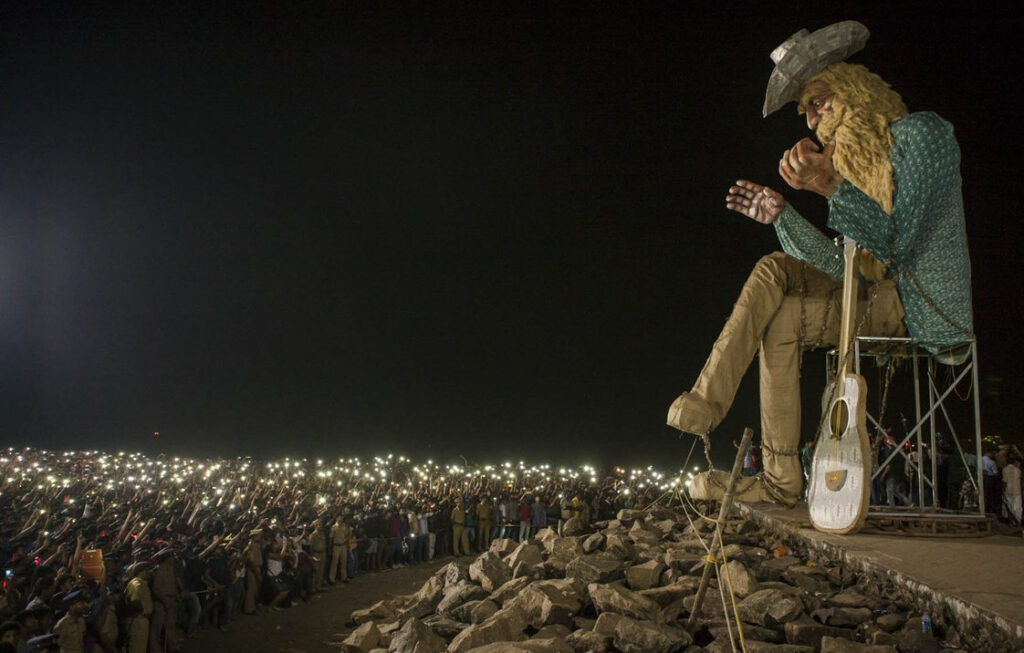
The carnival reaches its emotional and symbolic peak on New Year's Eve with the burning of Pappanji. This 35-foot statue of an old man stands tall like a skyscraper among the crowd, representing all the challenges, sorrows, and difficulties of the passing year.
As midnight approaches, thousands gather at Fort Kochi beach, creating an atmosphere of anticipation and collective energy. At sharp when the clock hits twelve, Pappanji is set ablaze amid traditional music, deafening cheers, and spectacular fireworks that illuminate the Arabian Sea coastline. This ritualistic burning symbolizes the release of the old and the welcoming of hope, harmony, and fresh beginnings with the New Year.
The burning is immediately followed by a grand beach party featuring live music, dance performances, DJ sets, and celebrations that continue until dawn, making it one of India's most unique New Year's Eve experiences.
January 1, 2026: The Grand Procession
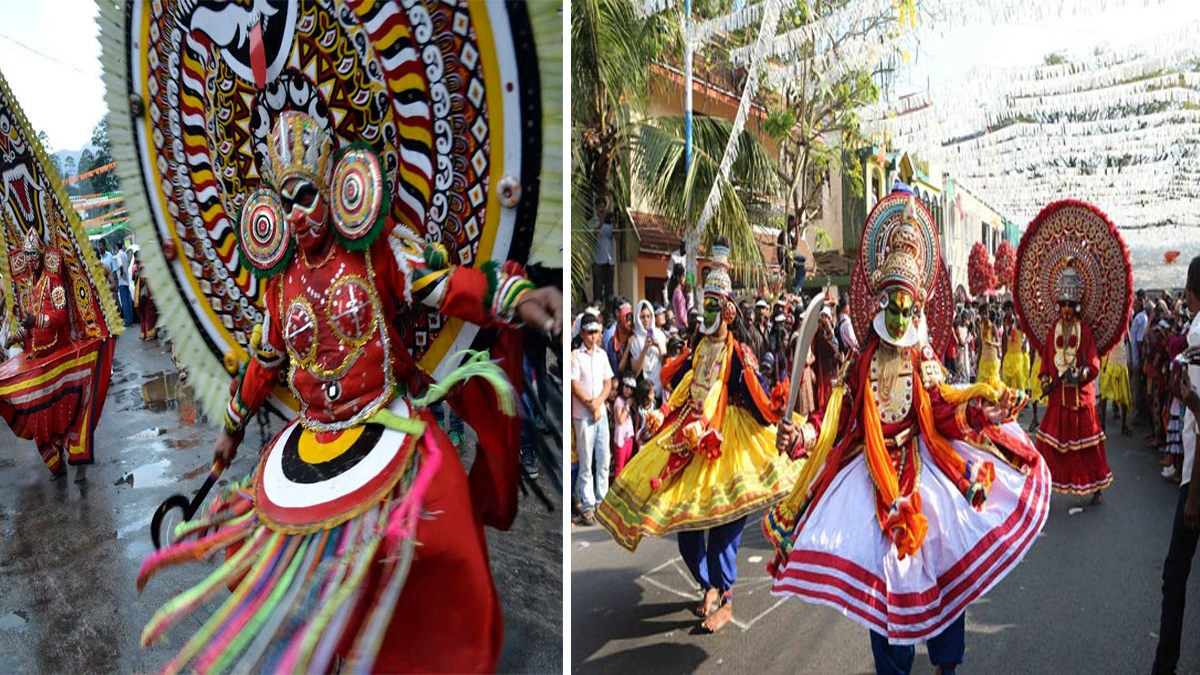
New Year's Day witnesses the carnival's grand finale—a magnificent procession that remains etched in visitors' memories. The Carnival Rally is the most participative and colorful cultural parade in the state, featuring caparisoned elephants adorned with traditional decorations, folk art performances including Theyyam and Kathakali, masqueraders in elaborate costumes, music bands representing various cultural traditions, martial arts demonstrations, and beautifully decorated floats depicting historical and cultural themes.
Venues and Locations
Fort Kochi serves as the epicenter of all carnival activities. This historic neighborhood, with its colonial-era architecture, narrow lanes, and seaside charm, provides the perfect backdrop for the celebrations. Key venues include:
Vasco da Gama Square: The ceremonial heart of the carnival where the flag hoisting takes place and many official events are conducted.
Fort Kochi Beach: The primary location for the Pappanji burning and New Year's Eve celebrations, offering stunning views of the Arabian Sea.
K B Jacob Road: The main carnival thoroughfare, decorated with thousands of lights and lined with stalls, creating a festive atmosphere throughout the celebration period.
Parade Ground: The assembly point for the grand procession and various cultural programs.
Mattancherry Area: Connected to Fort Kochi, this historic quarter offers additional cultural attractions, including Jew Town, the Paradesi Synagogue, and spice markets.
Beyond the Carnival: Exploring Fort Kochi
While the carnival is undoubtedly the main attraction, Fort Kochi offers numerous year-round attractions that enhance the visitor experience:
Chinese Fishing Nets: Iconic cantilevered fishing nets introduced by Chinese traders, particularly photogenic at sunset.
St. Francis Church: India's oldest European church, where Portuguese explorer Vasco da Gama was originally buried.
Mattancherry Palace (Dutch Palace): A stunning example of Kerala architecture with exquisite murals depicting Hindu epics.
Jewish Synagogue: The oldest active synagogue in the Commonwealth, featuring Belgian chandeliers and hand-painted Chinese tiles.
Spice Markets: Aromatic bazaars where traders have dealt in cardamom, pepper, and cinnamon for centuries.
Art Galleries and Cafés: Contemporary spaces showcasing local and international artists, alongside charming cafés serving fusion cuisine.
Heritage Walks: Guided tours through Fort Kochi's historic lanes, revealing stories of colonial times and maritime trade.
In Short,
The Cochin Carnival 2026 represents far more than a mere New Year celebration. It embodies the spirit of Kerala—a place where ancient traditions dance alongside modern creativity, where diverse cultures converge in harmony, and where the past and present merge to create something truly magical. From the solemn Ceremony of Peace to the euphoric Pappanji burning, from vibrant cultural performances to athletic competitions, the carnival offers a kaleidoscope of experiences that cater to every interest and age group.


